
News
The journal articles by UMRAM researchers published in October 2026.
- Understanding Older Adults’ And Caretakers’ Attitudes Toward Social Robots Using Natural Language Processing and Thematic Analysis, International Journal of Social Robotics. Authors: Begüm Çonka, Burcu Aysen Urgen, Yasemin Afacan
- A recurrent neuronal model for the effect of predictions on sensory processes, Scientific Reports. Authors: Buse Merve Ürgen, Hilal İrem Baştürk, Hüseyin Boyacı
A Parietal Region Processing Numerosity of Observed Actions: an FMRI study
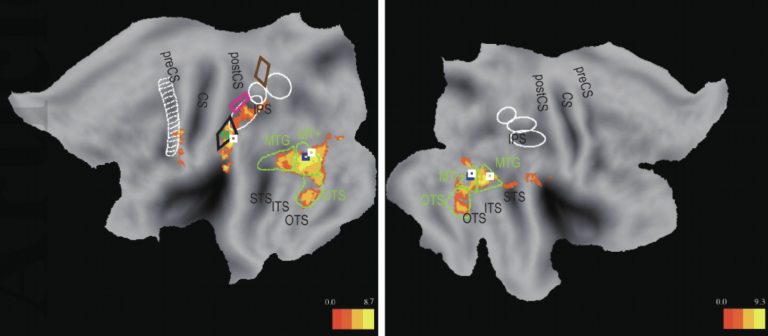
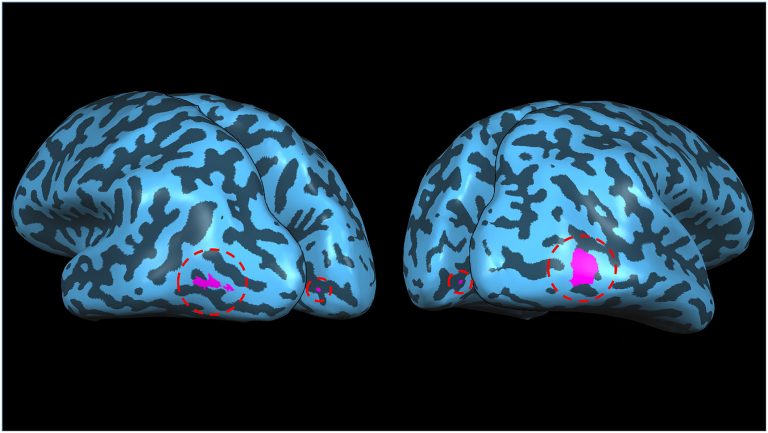
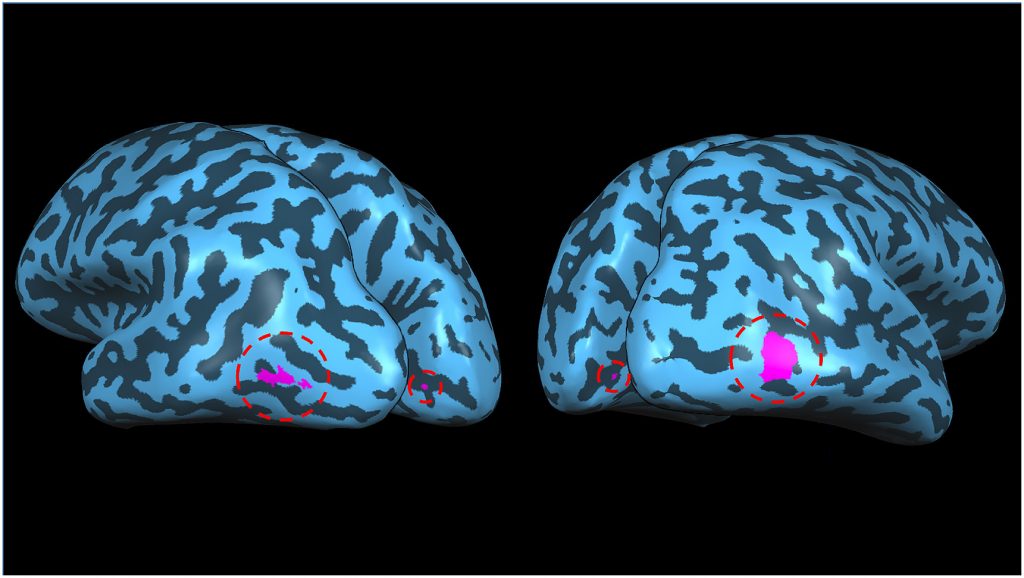
Our faculty member Burcu Ayşen Ürgen published a new paper titled “A parietal region processing numerosity of observed actions: An fMRI study” in European Journal of Neuroscience. The other authors of the…
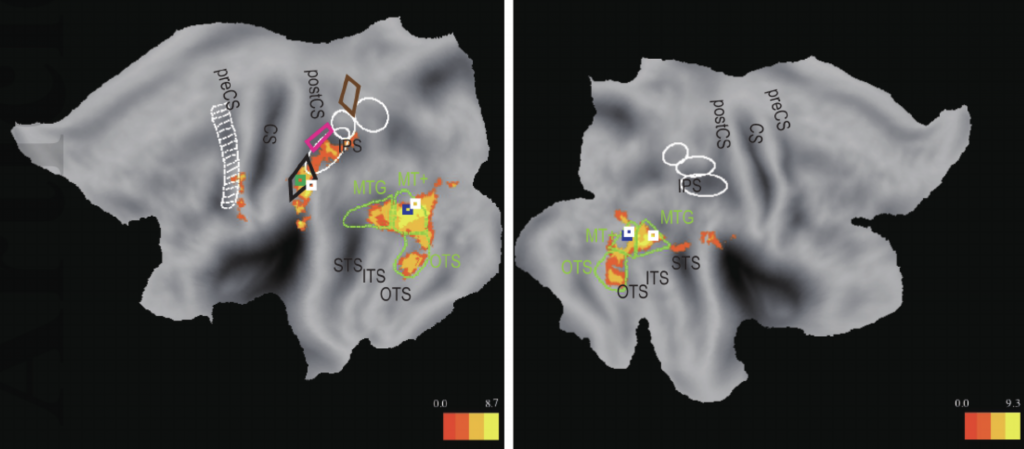
Our faculty member Burcu Ayşen Ürgen published a new paper titled “A parietal region processing numerosity of observed actions: An fMRI study” in European Journal of Neuroscience. The other authors of the paper are Hiromasa Sawamura from University of Tokyo (Japan), Guy A. Orban from University of Parma (Italy), and Daniele Corbo from University of Brescia (Italy). The study examined numerosity specific brain regions during action observation using functional magnetic resonance imaging in humans.
ABSTRACT
When observing others’ behavior, it is important to perceive not only the identity of the observed actions, but also the number of times they were performed. Given the mounting evidence implicating posterior parietal cortex in action observation, and in particular that of manipulative actions, the aim of this study was to identify the parietal region, if any, that contributes to the processing of observed‐manipulative‐action numerosity, using the functional magnetic resonance imaging technique. Twenty‐one right‐handed healthy volunteers performed two discrimination tasks while in the scanner, responding to video stimuli in which an actor performed manipulative actions on colored target balls that appeared four times consecutively. The subjects discriminated between two small numerosities of either observed manipulative actions (“Action” condition) or colors of balls (“Ball” condition). A significant difference between the “Action” and “Ball” conditions was observed in occipito‐temporal cortex and the putative human anterior intraparietal sulcus (phAIP) area as well as the third topographic map of numerosity‐selective neurons at the post‐central sulcus (NPC3) of the left parietal cortex. A further ROI analysis of the group‐average data showed that at the single voxel level the latter area, more than any other parietal or occipito‐temporal numerosity map, favored numerosity of observed actions. These results suggest that phAIP processes the identity of observed manipulative actions, while neighboring NPC3 likely processes the numerosity of the identified observed actions.
Accelerating the co-simulation method for the design of transmit array coils for MRI
A work from UMRAM focused on the fast methods for designing RF transmit array coils resulted in a manuscript entitled “Accelerating the co-simulation method for the design of transmit array coils for MRI.” In…
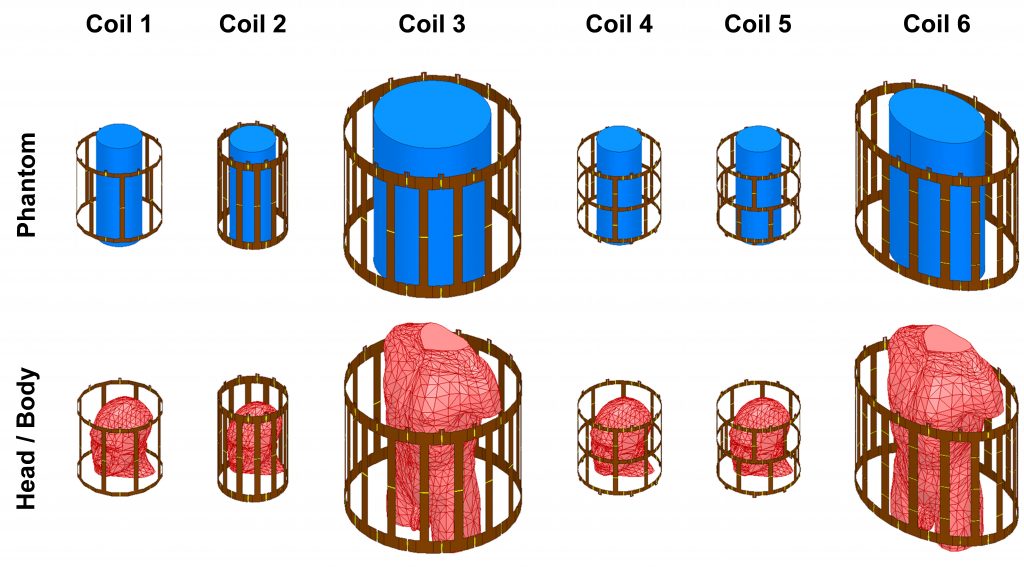
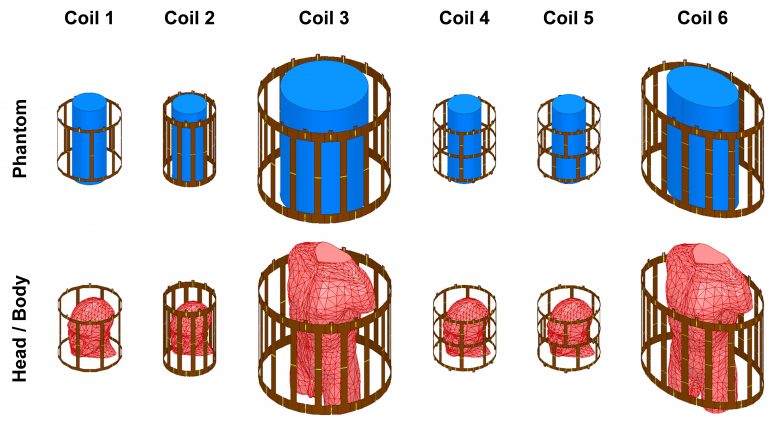
A work from UMRAM focused on the fast methods for designing RF transmit array coils resulted in a manuscript entitled “Accelerating the co-simulation method for the design of transmit array coils for MRI.” In this study, the co-simulation method is considerably accelerated for the design of tramsnit array coils. As a proof of concept, an eight-channel degenerate birdcage coil is designed and constructed in a fast and accurate manner. Now, UMRAM facilities are aequiped with this coil, which can be used for head imaging at 3 T. The first author of the paper is Alireza Sadeghi‐Tarakameh who is a PhD student of Ergin Atalar. The other authors of the paper are Ehsan Kazemivalipour, Umut Gündoğdu and Serhat Erdoğan of UMRAM.
Abstract
Objective Accelerating the co-simulation method for the design of transmit array (TxArray) coils is studied using equivalent circuit models.
Materials and methods Although the co-simulation method dramatically reduces the complexity of the design of TxArray coils, finding the optimum solution is not trivial since there exist many local minima in the optimization problem. We propose to utilize an equivalent circuit model of the TxArray coil to obtain a proper initial guess for the optimization process of the co-simulation method. To prove the concept, six different TxArray coils (i.e., three degenerate birdcage coils (DBC), two dual-row head coils, and one elliptical body TxArray coil) with two different loading strategies (cylindrical phantom and human head/body model) at 3 T field strength are investigated theoretically; as an example study, an eight-channel head-DBC is constructed using the obtained values.
Results This approach accelerates the design process more than 20-fold for the coils that are investigated in this manuscript.
Conclusion A fast and accurate method for tuning and decoupling of a TxArray coil can be achieved using its equivalent circuit model combined with the co-simulation method.
Distinct patterns of surround modulation in V1 and hMT+
Görkem Er, Zahide Pamir and Hüseyin Boyaci have published an article titled ''Distinct patterns of surround modulation in V1 and hMT+'' in NeuroImage. Using fMRI and a well-studied motion paradigm, in which…
Görkem Er, Zahide Pamir and Hüseyin Boyaci have published an article titled ”Distinct patterns of surround modulation in V1 and hMT+” in NeuroImage. Using fMRI and a well-studied motion paradigm, in which sensitivity to direction of motion increases (decreases) for a low (high) contrast stimulus as its size gets bigger, Er et al. show that patterns of center-surround interaction are different in primary visual cortex (V1) and middle temporal complex (hMT+). Furthermore, the authors show that the divisive normalization model can successfully predict the responses in V1 and hMT+, and link the behavioral and fMRI data.
Abstract
Modulation of a neuron’s responses by the stimuli presented outside of its classical receptive field is ubiquitous in the visual system. This “surround modulation” mechanism is believed to be critical for efficient processing and leads to many well-known perceptual effects. The details of surround modulation, however, are still not fully understood. One of the open questions is related to the differences in surround modulation mechanisms in different cortical areas, and their interactions. Here we study patterns of surround modulation in primary visual cortex (V1) and middle temporal complex (hMT+) utilizing a well-studied effect in motion perception, where human observers’ ability to discriminate the drift direction of a grating improves as its size gets bigger if the grating has a low contrast, and deteriorates if it has a high contrast. We first replicated the findings in the literature with a behavioral experiment using small and large (1.67 and 8.05 degrees of visual angle) drifting gratings with either low (2%) or high (99%) contrast presented at the periphery. Next, using functional MRI, we found that in V1 with increasing size cortical responses increased at both contrast levels. Whereas in hMT+ with increasing size cortical responses remained unchanged or decreased at high contrast, and increased at low contrast, reflecting the perceptual effect. We also show that the divisive normalization model successfully predicts these activity patterns, and establishes a link between the behavioral results and hMT+ activity. We conclude that surround modulation patterns in V1 and hMT+ are different, and that the size-contrast interaction in motion perception is likely to originate in hMT+.

Anisotropic dynamics of a self-assembled colloidal chain in an active bath
Mehdi Shafiei Aporvari, Mustafa Utkur, and Emine Ulku Saritas have published an article titled "Anisotropic Dynamics of a Self-assembled Colloidal Chain in an Active Bath" in Soft Matter. This paper was a…
Mehdi Shafiei Aporvari, Mustafa Utkur, and Emine Ulku Saritas have published an article titled “Anisotropic Dynamics of a Self-assembled Colloidal Chain in an Active Bath” in Soft Matter. This paper was a collaborative work with Giovanni Volpe (previously with the Department of Physics in Bilkent, now with University of Gothenburg) and Joakim Stenhammar (with Lund University). This paper presents an experimental investigation of the dynamics of isolated self-assembled chains moving at an interface between a suspension of swimming bacteria and air, finding an anomalous, non-monotonic size dependence in the anisotropic center-of-mass diffusivity.
Abstract
Anisotropic macromolecules exposed to non-equilibrium (active) noise are very common in biological systems, and an accurate understanding of their anisotropic dynamics is therefore crucial. Here, we experimentally investigate the dynamics of isolated chains assembled from magnetic microparticles at a liquid-air interface and moving in an active bath consisting of motile E. coli bacteria. We investigate both the internal chain dynamics and the anisotropic center-of-mass dynamics through particle tracking. We find that both the internal and center-of-mass dynamics are greatly enhanced compared to the passive case, i.e., a system without bacteria, and that the center-of-mass diffusion coefficient D features a non- monotonic dependence as a function of the chain length. Furthermore, our results show that the relationship between the components of D parallel and perpendicular with respect to the direction of the applied magnetic field is preserved in the active bath compared to the passive case, with a higher diffusion in the parallel direction, in contrast to previous findings in the literature. We argue that this qualitative difference is due to subtle differences in the experimental geometry and conditions and the relative roles played by long-range hydrodynamic interactions and short-range collisions.

Emine Ülkü Sarıtaş has been promoted to Associate Professor level
Emine Ülkü Sarıtaş, faculty member at UMRAM and Department of Electrical and Electronics Engineering (EEE) of Bilkent, has been promoted to Associate Professor level. Prior to joining Bilkent as a faculty member…
Emine Ülkü Sarıtaş, faculty member at UMRAM and Department of Electrical and Electronics Engineering (EEE) of Bilkent, has been promoted to Associate Professor level. Prior to joining Bilkent as a faculty member in 2013, she was a postdoctoral fellow at the Department of Bioengineering at University of California, Berkeley from 2010-2013. She received her Ph.D. degree in 2009 and M.S. degree in 2004 from the Department of Electrical Engineering at Stanford University, and her B.S. degree in 2002 from Bikent EEE. She was the recipient of the Lucent Technologies Stanford Graduate Fellowship during her PhD studies and Siebel Stem Cell Institute Postdoctoral Fellowship during her postdoctoral studies. She is the recipient of the 2015 “Young Scientist Outstanding Achievement Award” (GEBIP) given by the Turkish Academy of Sciences (TÜBA), the 2016 “Young Scientist Award” (BAGEP) given by the Science Academy Turkey (Bilim Akademisi), the 2017 “Scientist of the Year Award” given by Science Heroes Association (Bilim Kahramanlari Dernegi), and the 2019 “Incentive Award” given by the Scientific and Technological Research Council of Turkey (TÜBİTAK). She has also received the Distinguished Teaching Award of Bilkent University in 2018.
In her research, Assoc. Prof. Sarıtaş focuses on novel magnetic resonance imaging (MRI) and magnetic particle imaging (MPI) systems, and their diagnostic and scientific applications. She has developed innovative technologies to advance technical and clinical capabilities of these imaging modalities. Her leading contributions include imaging techniques that enable high-resolution diffusion-weighted MRI in targeted body areas, comprehensive evaluation of human safety limits of magnetic imaging systems, and novel contrast mechanisms for MPI. Her research has been published in leading journals including IEEE Transactions on Medical Imaging (TMI), Magnetic Resonance in Medicine, Applied Physics Letters, and Advanced Materials. Her academic work has resulted in 45 journal publications, 110 conference proceedings, 1 book chapter, and 1 US patent, and has received over 2200 citations.
Assoc. Prof. Sarıtaş is currently serving as an Associate Director for National Magnetic Resonance Research Lab (UMRAM), as an Associate Editor for IEEE TMI, and as an Editorial Board Member for the International Journal on Magnetic Particle Imaging (IJMPI). She has previously served as an Editorial Board Member for Nature Scientific Reports, and was the chair of IEEE Turkey Section Women in Engineering.
Ethics and Institutional Approvals
Dear 3T users, We would like to kindly ask all investigators to provide us the ethical and/or institutional approvals of their studies. Such an approval is required for all human and animal…
Dear 3T users,
We would like to kindly ask all investigators to provide us the ethical and/or institutional approvals of their studies. Such an approval is required for all human and animal studies. You can hand in a hard copy or send a soft copy to the UMRAM administration.
Furthermore, please put the study-specific approval number in the “Description” part of your reservations on the 3T Calendar.
Please let us know if you have any questions.
3T Usage Rules Update
Dear 3T Users,
Thank you all for strictly following the rules previously announced. So far the 3T scanner is running smoothly. Nevertheless, in order to increase the efficiency of the usage we are making the following updates:
1. The obligatory gap after human and animal exams is reduced to three hours
2. The morning appointment MUST end latest at 14:00. This includes the subsequent obligatory gap. For example, if it is a human exam, the actual exam MUST end at 11:00.
3. The afternoon appointment MUST start after 14:00. If possible please start the exam as early as possible after 14:00, this would give a reasonable amount of time for a third session at night.
The Rules of using the UMRAM Schedule
1. It is not permitted to make resevations of a duration of 3 hours or more between 09:00-17:30, 2 or more work days prior to the day for which the reservation is made. For special cases, please contact the administrator.
2. Appointments for which the owner is more than 15 minutes late, without prior notification about the delay, may be cancelled and transfered to other users.
3. Users who have cancelled their appointments at least 24 hour prior to the scheduled time need to notify the group via e mail.
4. Users who cancel their appointment with short notice are required to find a replacement for their time slot. Therefore, they are advised to get in touch with the following appointment owners. If this is not possible they may cancel their appointment by notifying the administrator and the group.
5. If a user does not keep his/her appointment two times within a period of 30 days with no prior notification he/ she may lose their authorisation of acessing the MR calender and may thus be prohibited to schedule their own appointments.
6. Unforeseen delays in the scanner schedule due to technical problems will be compensated on the same day – as much as possible – depending on the availability in the schedule and the assessment by the administrator.
7. You must use the same colour with other user when you get a reservation on UMRAM 3T schedule.
For Hygiene Procedures please click; https://umram.bilkent.edu.tr/index.php/2020/06/15/umram-mri-scanner-hygiene-procedures-for-covid-19/
Improving radiofrequency power and specific absorption rate management with bumped transmit elements in ultra‐high field MRI
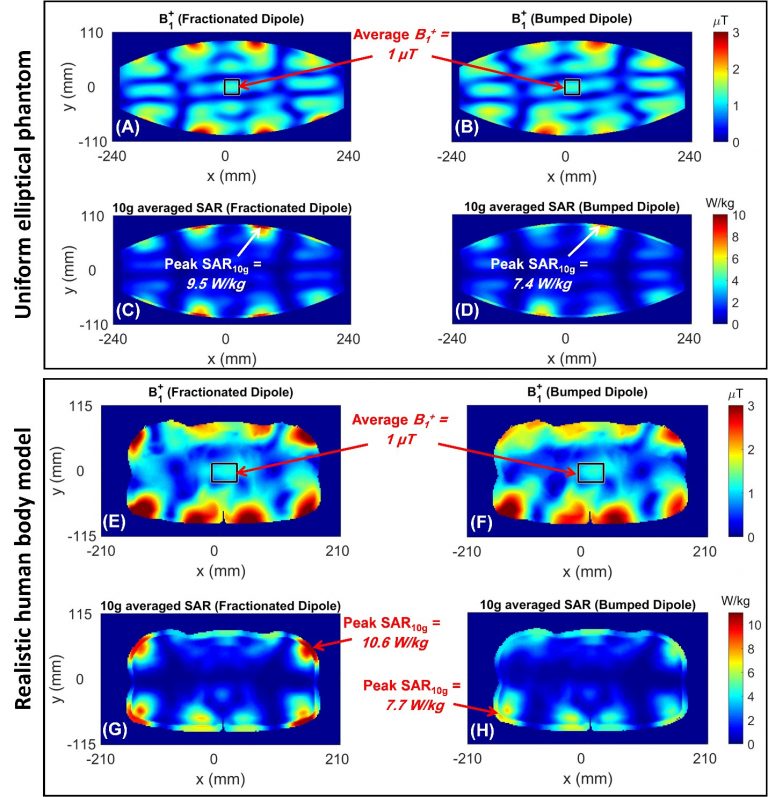
Alireza Sadeghi-Tarakameh, who is a PhD student of Ergin Atalar, published the results of a collaborative work between CMRR and UMRAM in a paper entitled “Improving radiofrequency power and specific absorption rate management…
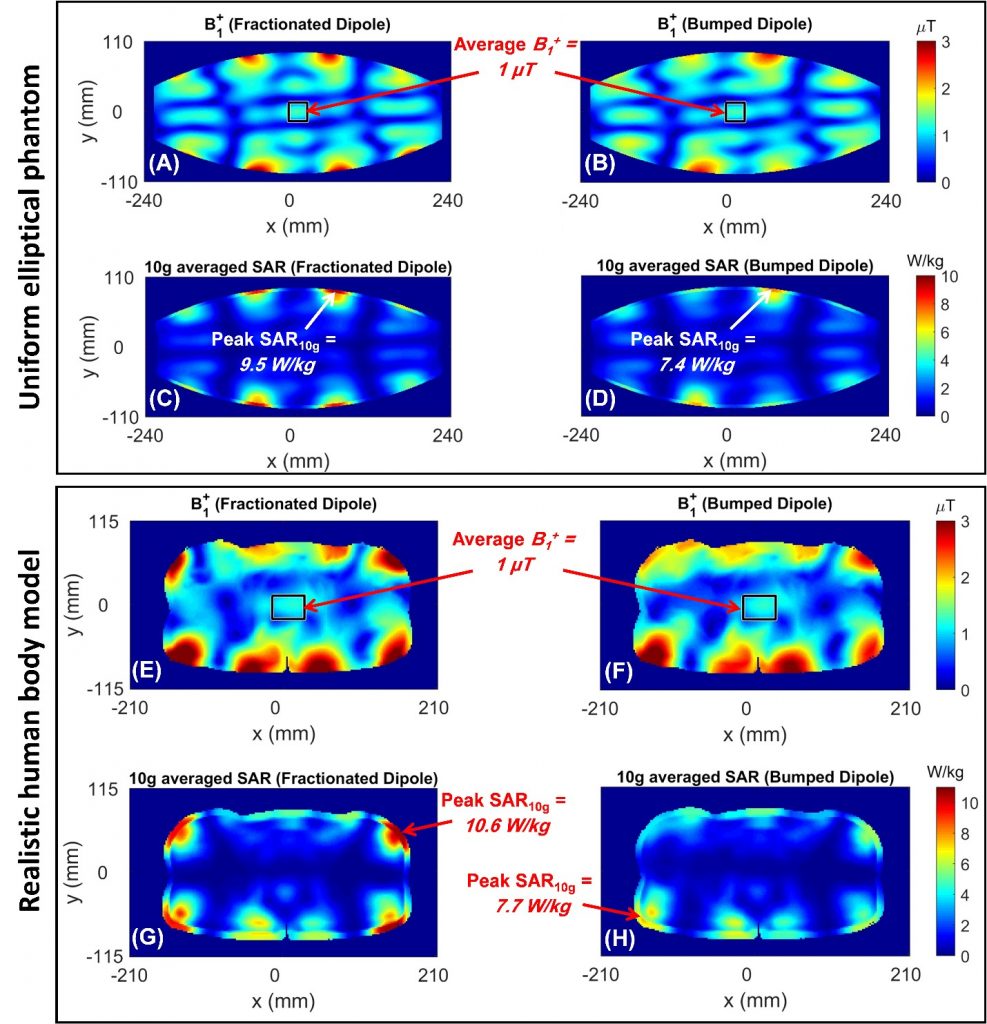
Alireza Sadeghi-Tarakameh, who is a PhD student of Ergin Atalar, published the results of a collaborative work between CMRR and UMRAM in a paper entitled “Improving radiofrequency power and specific absorption rate management with bumped transmit elements in ultra‐high field MRI.” The main goal of this study is to facilitate prostate imaging and assure patient safety at ultra-high field MRI. The senior author of the article, Yiğitcan Eryaman, is an assistant professor at CMRR and received his PhD degree from Bilkent University. Other authors of this article, Gregor Adriany, Gregory J. Metzger, Russell L. Lagore, Steve Jungst, Lance DelaBarre, Pierre-Francois Van de Moortele, and Kamil Ugurbil, are from the University of Minnesota.
Abstract
Purpose
In this study, we investigate a strategy to reduce the local specific absorption rate (SAR) while keeping B1+ constant inside the region-of-interest (ROI) at the ultra-high field (B0 ≥ 7 T) MRI.
Methods Locally raising the resonance structure under the discontinuity (i.e., creating a bump) increases the distance between the accumulated charges and the tissue. As a result, it reduces the electric field and local SAR generated by these charges inside the tissue. The B1+ at a point that is sufficiently far from the coil however is not affected by this modification. In this study, three different resonant elements (i.e., loop coil, snake antenna, and fractionated dipole (FD)) are investigated. For experimental validation, a bumped FD is further investigated at 10.5 T. After the validation, the transmit performances of eight-channel arrays of each element are compared through EM simulations. Results Introducing a bump reduced the peak 10g-averaged SAR by 21, 26, 23% for the loop and snake antenna at 7 T, and FD at 10.5 T, respectively. In addition, eight-channel bumped FD array at 10.5 T had a 27% lower peak 10g-averaged SAR in a realistic human body simulation (i.e., prostate imaging) compared to an eight-channel FD array. Conclusion In this study, we investigated a simple design strategy based on adding bumps to a resonant element to reduce the local SAR while maintaining B1+ inside an ROI. As an example, we modified an FD and performed EM simulations and phantom experiments with a 10.5T scanner. Results show that the peak 10g-averaged SAR can be reduced more than 25%.
Imparting interpretability to word embeddings while preserving semantic structure

Work of Koc Lab on natural language processing has resulted in an article entitled “Imparting interpretability to word embeddings while preserving semantic structure” published in Natural Language Engineering Journal of the Cambridge University Press. Authors of the article are Lüfti Kerem Şenel, İhsan Utlu, Furkan Şahinuç, Haldun Özaktaş and Aykut Koç.
Word embeddings are the crucial tools in many NLP tasks. However, their black-box nature restrains word embeddings from being explainable and interpretable. In this study, for the first time, by adding an external objective function to the conventional GloVe algorithm, words embeddings are given the feature of being interpretable. Furthermore, joint learning of interpretable word embeddings does not distort the underlying semantic structure of word embeddings.
The increase in the degree of interpretability within the word embeddings is shown by manual evaluations of human subjects as well as by qualitative and quantitative tests. Obtained results show that imparted word embeddings outperform similar studies in the literature.
Contribution of the study is essential to enhance explainable AI algorithms in the NLP field.
Abstract
As a ubiquitous method in natural language processing, word embeddings are extensively employed to map semantic properties of words into a dense vector representation. They capture semantic and syntactic relations among words, but the vectors corresponding to the words are only meaningful relative to each other. Neither the vector nor its dimensions have any absolute, interpretable meaning. We introduce an additive modification to the objective function of the embedding learning algorithm that encourages the embedding vectors of words that are semantically related to a predefined concept to take larger values along a specified dimension, while leaving the original semantic learning mechanism mostly unaffected. In other words, we align words that are already determined to be related, along predefined concepts. Therefore, we impart interpretability to the word embedding by assigning meaning to its vector dimensions. The predefined concepts are derived from an external lexical resource, which in this paper is chosen as Roget’s Thesaurus. We observe that alignment along the chosen concepts is not limited to words in the thesaurus and extends to other related words as well. We quantify the extent of interpretability and assignment of meaning from our experimental results. Manual human evaluation results have also been presented to further verify that the proposed method increases interpretability. We also demonstrate the preservation of semantic coherence of the resulting vector space using word-analogy/word-similarity tests and a downstream task. These tests show that the interpretability-imparted word embeddings that are obtained by the proposed framework do not sacrifice performances in common benchmark tests.
In vivo human head MRI at 10.5T: A radiofrequency safety study and preliminary imaging results
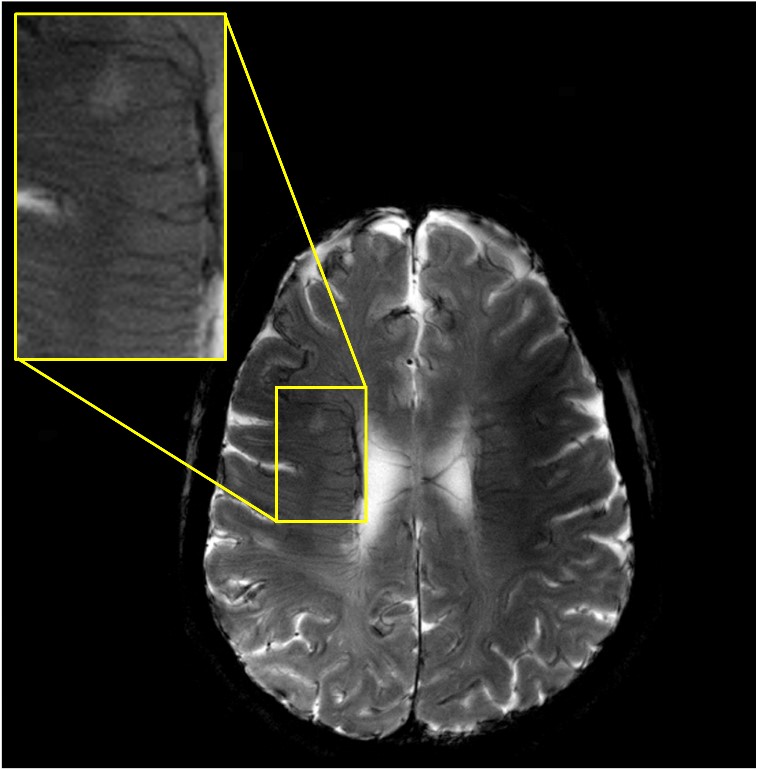
A collaborative work between CMRR and UMRAM resulted in a manuscript entitled “In vivo human head MRI at 10.5T: A radiofrequency safety study and preliminary imaging results.” In this study, the first human brain images obtained from a 10.5T system are shown. 10.5T is currently the highest field strength full-body imaging system in the world and housed at CMRR in the University of Minnesota. The first author of the paper is Alireza Sadeghi‐Tarakameh who is a PhD student of Ergin Atalar. The senior author of the article, Yiğitcan Eryaman is an assistant professor at CMRR and received his PhD degree from Bilkent University. The other authors of the paper are Lance DelaBarre, Russell L. Lagore, Angel Torrado-Carvajal, Xiaoping Wu, Andrea Grant, Gregor Adriany, Gregory J. Metzger, Pierre-Francois Van de Moortele, and Kamil Ugurbil of CMRR.
Abstract
Purpose
The purpose of this study is to safely acquire the first human head images at 10.5 T.
Methods
In order to ensure safety of subjects, we validated the electromagnetic (EM) simulation model of our coil. We obtained quantitative agreement between simulated and experimental B1+ and specific absorption rate (SAR). Using the validated coil model, we calculated radiofrequency (RF) power levels to safely image human subjects. We conducted all experiments and imaging sessions in a controlled RF safety lab and the whole-body 10.5T scanner in the Center for Magnetic Resonance Research (CMRR).
Results
Quantitative agreement between the simulated and experimental results was obtained including S-parameters, B1+ maps, and SAR. We calculated peak 10 g average SAR using four different realistic human body models for a quadrature excitation and demonstrated that the peak 10 g SAR variation between subjects was less than 30%. We calculated safe power limits based on this set and used those limits to acquire T2- and T2*-weighted images of human subjects at 10.5 T.
Conclusion
In this study, we acquired the first in vivo human head images at 10.5 T using an eight-channel transmit/receive (Tx/Rx) coil. We implemented and expanded a previously proposed workflow to validate the EM simulation model of the eight-channel Tx/Rx coil. Using the validated coil model, we calculated RF power levels to safely image human subjects.
Expression Levels of SMAD Specific E3 Ubiquitin Protein Ligase 2 (Smurf2) and its Interacting Partners Show Region-specific Alterations During Brain Aging
Melek Umay Tüz Şaşik, Elif Tuğçe Karoğlu Eravşar, Meriç Kınalı, Ayça Ergül Arslan and Michelle Adams have published an article titled ”Expression Levels of SMAD Specific E3 Ubiquitin Protein Ligase 2 (Smurf2) and its Interacting Partners Show Region-specific Alterations During Brain Aging”.
Abstract
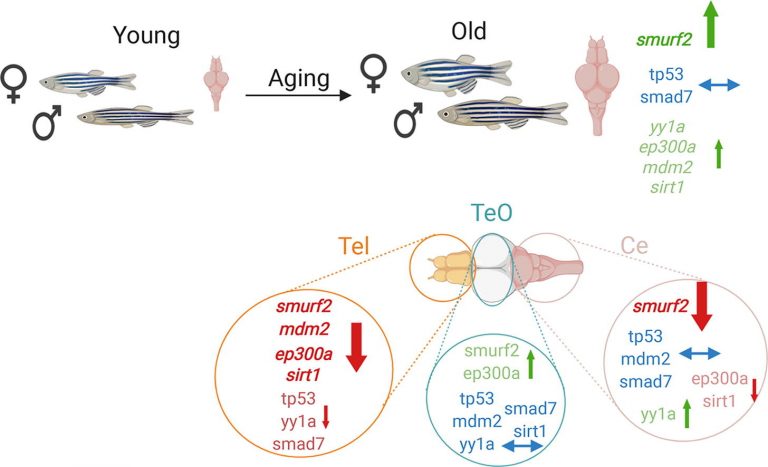
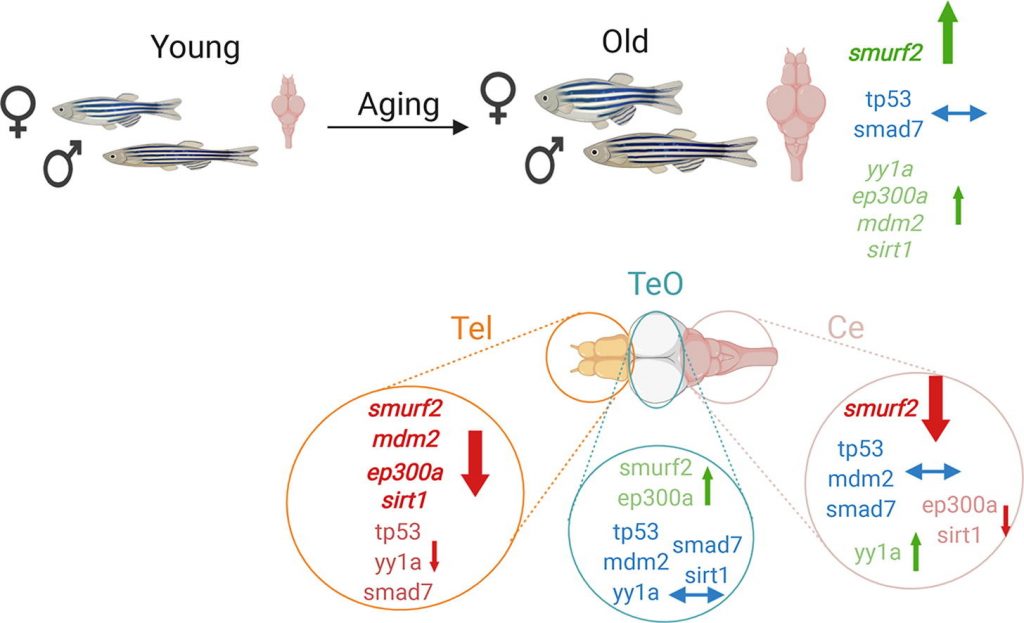
Aging occurs due to a combination of several factors, such as telomere attrition, cellular senescence, and stem cell exhaustion. The telomere attrition-dependent cellular senescence is regulated by increased levels of SMAD specific E3 ubiquitin protein ligase 2 (smurf2). With age smurf2 expression increases and Smurf2 protein interacts with several regulatory proteins including, Smad7, Ep300, Yy1, Sirt1, Mdm2, and Tp53, likely affecting its function related to cellular aging. The current study aimed at analyzing smurf2 expression in the aged brain because of its potential regulatory roles in the cellular aging process. Zebrafish were used because like humans they age gradually and their genome has 70% similarity. In the current study, we demonstrated that smurf2 gene and protein expression levels altered in a region-specific manner during the aging process. Also, in both young and old brains, Smurf2 protein was enriched in the cytosol. These results imply that during aging Smurf2 is regulated by several mechanisms including post-translational modifications (PTMs) and complex formation. Also, the expression levels of its interacting partners defined by the STRING database, tp53, mdm2, ep300a, yy1a, smad7, and sirt1, were analyzed. Multivariate analysis indicated that smurf2, ep300a, and sirt1, whose proteins regulate ubiquitination, acetylation, and deacetylation of target proteins including Smad7 and Tp53, showed age- and brain region-dependent patterns. Our data suggest a likely balance between Smurf2- and Mdm2-mediated ubiquitination, and Ep300a-mediated acetylation/Sirt1-mediated deacetylation, which most possibly affects the functionality of other interacting partners in regulating cellular and synaptic aging and ultimately cognitive dysfunction.
UMRAM MRI scanner hygiene procedures for COVID-19
The following hygiene procedures have been prepared for the safety of examiners, human participants and patients, our animal friends, and everyone working in UMRAM. Everyone MUST follow these rules strictly. Examiners, who…
The following hygiene procedures have been prepared for the safety of examiners, human participants and patients, our animal friends, and everyone working in UMRAM. Everyone MUST follow these rules strictly. Examiners, who do not follow these rules, will be BANNED from using the scanner. These rules are effective immediately and valid until further notice. Note that these are hygiene procedures, all other regular procedures MUST still be followed, such as checking for metals and MR-incompatible implants, and obtaining written informed consent forms.
The following hygiene procedures have been prepared for the safety of examiners, human participants and patients, our animal friends, and everyone working in UMRAM. Everyone MUST follow these rules strictly. Examiners, who do not follow these rules, will be BANNED from using the scanner. These rules are effective immediately and valid until further notice. Note that these are hygiene procedures, all other regular procedures MUST still be followed, such as checking for metals and MR-incompatible implants, and obtaining written informed consent forms.
General procedures:
In the rest of the document, MUST means an absolute requirement, SHOULD means a strong recommendation. “Scanner room” refers to the room where the scanner is located. “Scanner site” refers to the combination of the scanner room and the control room.
● The nature of examination (phantom, human, or animal) MUST be noted on the calendar when making a reservation.
● There MUST be at least a 3-hour gap between examinations that involve humans or animals.
● The morning appointment MUST end latest at 14:00. This includes the subsequent obligatory gap. For example, if it is a human exam, the actual exam MUST end at 11:00.
● The afternoon appointment MUST start after 14:00. If possible please start the exam as early as possible after 14:00, this would give a reasonable amount of time for a third session at night.
● There MUST be at least a 1-hour gap after examinations involving only phantoms.
● Users will not be charged for the extra gap time. However, users MUST separately reserve those extra gap times on the calendar with the following note: “DO NOT USE SCANNER”.
● The gap time MUST not be used for any additional examination, analysis or a study of any other nature in the scanner site. Examiners MUST complete their examination and leave the scanner site by the end of their regular appointment.
● Examiners MUST NOT have any flu-like symptoms. A sample checklist is provided below. With a positive answer to ANY of the questions, the study MUST be postponed.
● Examiners MUST wear mouth and nose protection masks at all times.
● Examiners MUST wash and dry their hands before entering the scanner site.
● Upon entering the scanner site examiners MUST immediately disinfect their hands and MUST wear gloves. They MUST NOT touch any personal belongings afterward.
● Masks and gloves will be provided by UMRAM.
● All objects and surfaces that are used, touched, breathed on or otherwise interacted with MUST be disinfected at the end of the examination. Disinfecting agents will be provided by UMRAM. If you need help, our technical personnel will guide you for applying the disinfectants, so please ask them.
● All waste MUST be disposed of in the medical trash bin placed outside of the scanner site. Our technical personnel will help you locate the bin.
● Masks and gloves MUST NOT be reused and they MUST be renewed if removed.
● Gloves MUST be taken off in a way such that the outer surface of the glove does not touch the skin; turn the inner surface outwards so that one glove wraps the other.
● Personal belongings MUST NOT be placed on the console desk and chairs. They should be properly stored in cabinets or placed on the new desk placed in the scanner site.
● There MUST NOT be any eating or drinking, including water. Human participants or patients may be allowed to take their exam-related medicine if necessary. Disposable cups and/or containers MUST be used for this.
● There SHOULD NOT be more than two examiners at the scanner site unless the nature of the examination requires more than two examiners.
● Examiners SHOULD preserve a distance of 1.5m between them.
● Examiners SHOULD wear long clothing.
● All surfaces, e.g. the bed, head cushions, that the human participants, patients, or animals will contact MUST be appropriately covered.
● Examiners, who need to wash and disinfect their hands frequently, are advised to use skincare products. Human participant and patient (HPP) procedures:
● HPPs MUST be contacted beforehand and it MUST be ensured that they do not have any flu-like symptoms. A sample checklist is provided below. With a positive answer to ANY of the questions the examination MUST be postponed.
● There MUST be at least a 3-hour gap between the examinations of two HPPs, even if they are related to the same study.
● External HPPs MUST be met outside the building.
● HPPs’ body temperature MUST be measured before allowing them inside the building. A measurement device will be provided by UMRAM.
● HPPs MUST wear a mask before entering the building. If the HPP will wear a mask during examination, and if the mask has a metal part, it can create artifacts in MRI images. If this is a concern, ask the HPP to remove the metal part of their mask before entering the building.
● HPPs MUST be accompanied into the bathroom to wash and dry their hands.
● HPPs MUST be accompanied to the scanner site.
● Only one HPP at a time MUST be admitted into the scanner site.
● HPPs MUST remove all belongings and safely store them once inside the scanner site.
● HPPs MUST wear a medical gown. These gowns will be provided by UMRAM. The gown can be worn over HPPs’ clothes.
● HPPs MUST be guided to disinfect their hands and advised not to touch anything after disinfection.
● HPPs SHOULD bring their signed consent form if possible. If this is not possible HPPs SHOULD be provided with the form in the scanner site. The form SHOULD be signed on the new desk placed in the scanner site. HPPs SHOULD use their own pen to sign the papers. If they do not have a pen they SHOULD be provided with a disinfected pen.
● If needed, an accompanying person may accompany the HPP into the scanner site. Other visitors MUST remain in the waiting lounge and follow the rules of social distance
● Maximum possible distance between the examiner and HPP MUST be preserved at all times, including while positioning the HPP on the bed and attaching the coils. Only one examiner SHOULD prepare the HPP and send inside the scanner bore.
● HPPs SHOULD not be allowed to enter the part of the scanner site where the console desk is located. This part SHOULD be reserved for the examiners only.
● HPPs SHOULD keep their masks on during the examination. If this is not possible, for example, to avoid artifacts or head movements, HPPs’ masks may be removed just before positioning them on the bed.
● HPPs MUST put on earplugs themselves.
● In case the HPP cannot wear a mask due to the nature of the study, the examiners SHOULD exercise extra caution and are advised to wear a full-face protective transparent screen. Those screens will be provided by UMRAM.
Flu-symptom checklist:
1. Have you had a fever in the past 14 days? Yes/No
2. Have you had a dry cough in the past 14 days? Yes/No
3. Have you had any acute muscle problems/limb pain in the past 14 days? Yes/No
4. Have you had an acute headache in the past 14 days? (If you frequently experience headaches, answer “No” if the headache felt as usual) Yes/No
5. Have you had any sudden changes in taste, flavor or olfactory sensation in the past 14days? Yes/No
6. Have you had acute diarrhea in the past 14 days? Yes/No
7. Have you been in contact with other suspected cases in the past 14 days? Yes/No
8. Have you been abroad in the last 14 days? Yes/No
Animal Examination Procedures:
● Animals SHOULD be admitted to the scanner room through the side door.
● There MUST be a 3-hour gap after an animal study. There may be more than 1
animal subject during an animal examination session.