
News
The journal articles by UMRAM researchers published in October 2026.
- Understanding Older Adults’ And Caretakers’ Attitudes Toward Social Robots Using Natural Language Processing and Thematic Analysis, International Journal of Social Robotics. Authors: Begüm Çonka, Burcu Aysen Urgen, Yasemin Afacan
- A recurrent neuronal model for the effect of predictions on sensory processes, Scientific Reports. Authors: Buse Merve Ürgen, Hilal İrem Baştürk, Hüseyin Boyacı
Graph Signal Processing: Vertex Multiplication
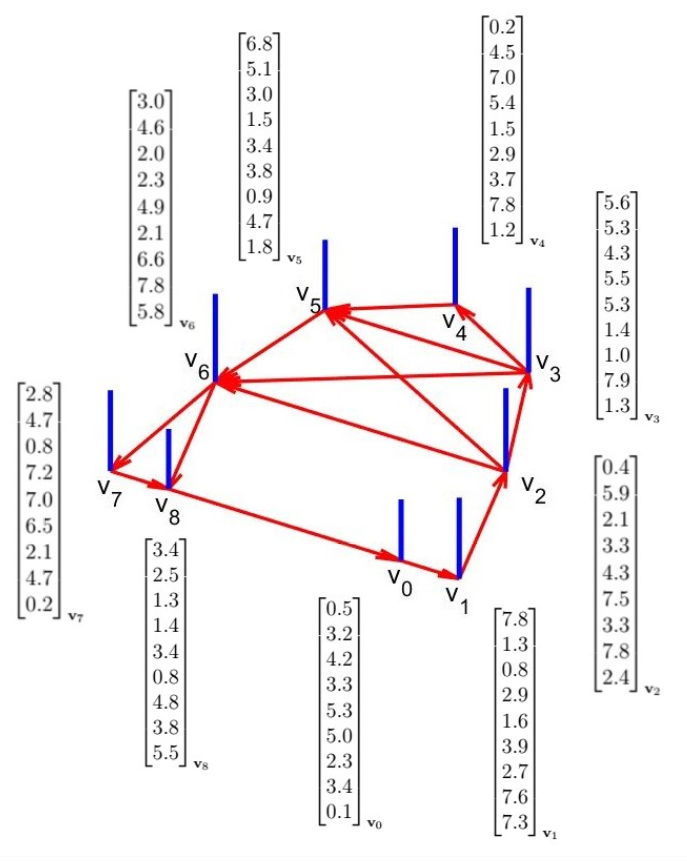
A fundamental contribution from KocLab to Graph Signal Processing (GSP) has been recently published in IEEE Signal Processing Letters, where a new operation called Vertex Multiplication has been introduced. On the Euclidean…
A fundamental contribution from KocLab to Graph Signal Processing (GSP) has been recently published in IEEE Signal Processing Letters, where a new operation called Vertex Multiplication has been introduced.
On the Euclidean domains of classical signal processing, linking of signal samples to the underlying coordinate structure is straightforward. However, a major problem in graph signal processing is the lack of explicit association of vertices with an underlying coordinate structure since the vertices of a graph do not correspond to certain explicit quantitative values, apart from just indices of order.
Defined for graphs and can operate on graph signals, vertex multiplication (VM) has established this connection by using Fourier duality and generalized the coordinate multiplication operation in classical signal processing. VM is defined totally consistent with the theoretical structure of FT/DFT theory.
Such an explicit coordinate association can be helpful in the ongoing generalizations from classical signal processing to graph signal processing. It may also lead to new theoretical and computational endeavors, and deepen our theoretical understanding of the link between vertex and frequency domains with possible insights and applications to the notion of smoothness, distance metrics and localization in the vertex-domain, and transform designs for signals on graphs. Therefore, it can be considered as a natural and theoretically convenient way to embed the underlying irregular vertex domain to a quantitative coordinate structure for graphs and associated graph signals.
The paper can be accessed [here].
Abstract:
On the Euclidean domains of classical signal processing, linking of signal samples to underlying coordinate structures is straightforward. While graph adjacency matrices totally define the quantitative associations among the underlying graph vertices, a major problem in graph signal processing is the lack of explicit association of vertices with an underlying coordinate structure. To make this link, we propose an operation, called the vertex multiplication (VM), which is defined for graphs and can operate on graph signals. VM, which generalizes the coordinate multiplication (CM) operation in time series signals, can be interpreted as an operator that assigns a coordinate structure to a graph. By using the graph domain extension of differentiation and graph Fourier transform (GFT), VM is defined such that it shows Fourier duality that differentiation and CM operations are duals of each other under Fourier transformation (FT). Numerical examples and applications are also presented.
Can the patients with implants be scanned in vertical bore scanners?
Vertical open‐bore MRI scanners generate significantly less radiofrequency heating around implanted leads: A study of deep brain stimulation implants in 1.2T OASIS scanners versus 1.5T horizontal systems
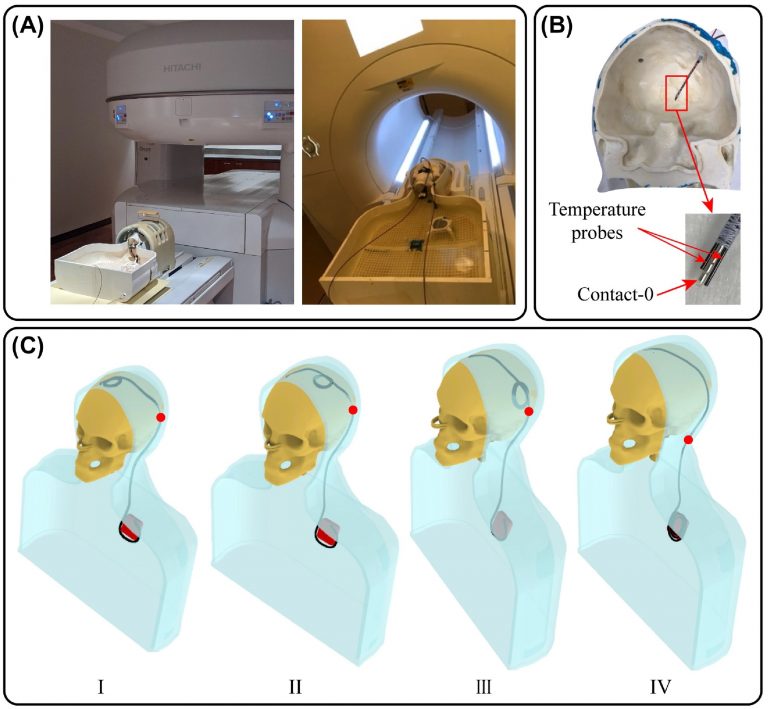
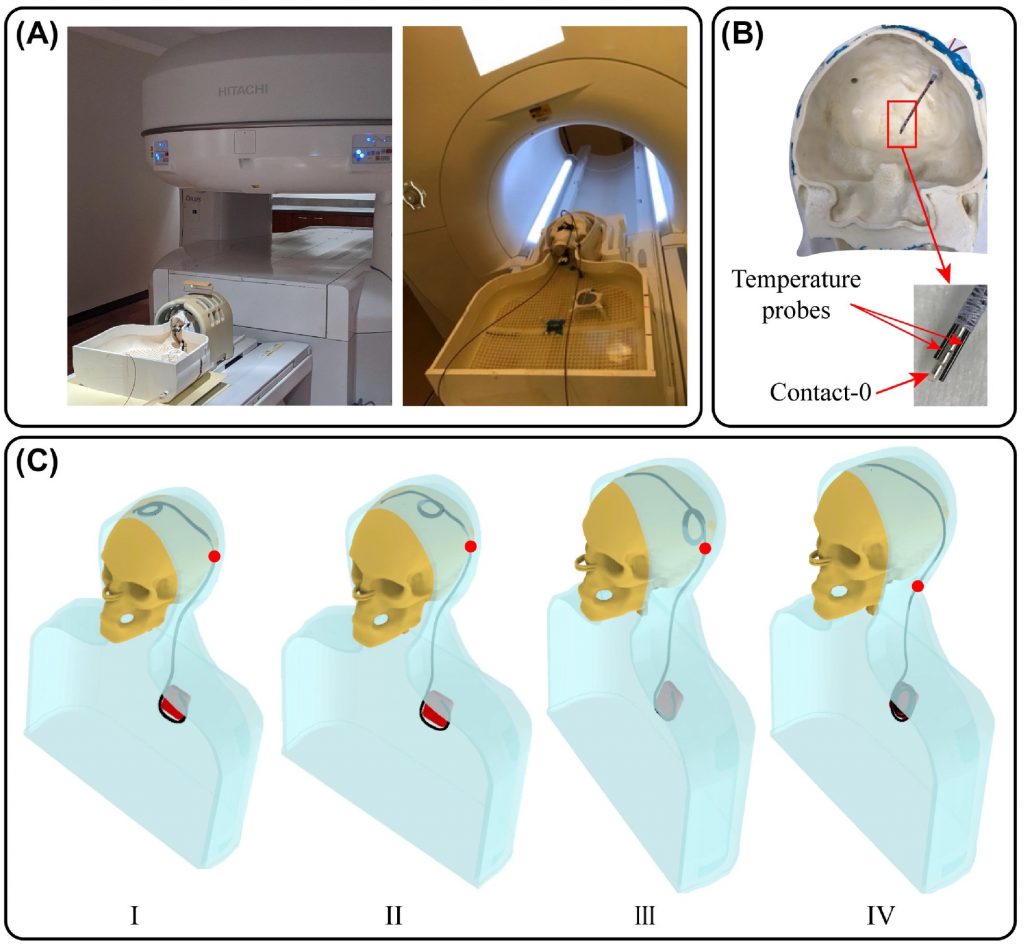
Ehsan Kazamivalipour of UMRAM collaborated with researchers at Northwestern University to investigate the interaction of a vertical bore scanner with implants. They showed that the implant heating problem is significantly less when using the vertical bore scanner. This is because the electric field direction is mainly orthogonal to the implanted lead in these scanners. The article has been published in Magnetic Resonance in Medicine with the title of “Vertical open‐bore MRI scanners generate significantly less radiofrequency heating around implanted leads: A study of deep brain stimulation implants in 1.2T OASIS scanners versus 1.5T horizontal systems.” The authors are Ehsan Kazemivalipour, Bhumi Bhusal, Jasmine Vu, Stella Lin, Bach Thanh Nguyen, John Kirsch, Elizabeth Nowac, Julie Pilitsis, Joshua Rosenow, Ergin Atalar and Laleh Golestanirad.
ABSTRACT
Purpose
Patients with active implants such as deep brain stimulation (DBS) devices are often denied access to MRI due to safety concerns associated with the radiofrequency (RF) heating of their electrodes. The majority of studies on RF heating of conductive implants have been performed in horizontal close‐bore MRI scanners. Vertical MRI scanners which have a 90° rotated transmit coil generate fundamentally different electric and magnetic field distributions, yet very little is known about RF heating of implants in this class of scanners. We performed numerical simulations as well as phantom experiments to compare RF heating of DBS implants in a 1.2T vertical scanner (OASIS, Hitachi) compared to a 1.5T horizontal scanner (Aera, Siemens).
Methods
Simulations were performed on 90 lead models created from post‐operative CT images of patients with DBS implants. Experiments were performed with wires and commercial DBS devices implanted in an anthropomorphic phantom.
Results
We found significant reduction of 0.1 g‐averaged specific absorption rate (30‐fold, P < 1 × 10⁻⁵) and RF heating (9‐fold, P < .026) in the 1.2T vertical scanner compared to the 1.5T conventional scanner.
Conclusion
Vertical MRI scanners appear to generate lower RF heating around DBS leads, providing potentially heightened safety or the flexibility to use sequences with higher power levels than on conventional systems.
For more;

A comparison between the CS-TOF and the CTA/DSA for WEB device management
Dr. Algin and his team's new study has been published. The results of a recent study conducted by Prof. Dr. Oktay ALGIN and the scientists they worked with were published in the…
Dr. Algin and his team’s new study has been published. The results of a recent study conducted by Prof. Dr. Oktay ALGIN and the scientists they worked with were published in the scientific journal “Interventional Neuroradiology”. In the study named “A comparison between the CS-TOF and the CTA / DSA for WEB device management”; It was determined that the non-contrast and rapid cerebral vascular imaging technique (TOF-MRA) was effective and sufficient both in detecting/management cerebral aneurysms and in follow-up after the treatment. Although this technique has many advantages over other brain angiography techniques, the development process continues.
In ongoing studies, the benefits of the same technique in other cerebrovascular diseases being researched by Dr. Algin and collegues. The related article can be accessed with the following citation: Algin O, et al. A comparison between the CS-TOF and the CTA/DSA for WEB device management. Interventional Neuroradiology 2021; doi: 10.1177/15910199211014708 Abstract Purpose
There is no study on the role of three-dimensional compressed sensing time of flight MR angiography (3D-CS-TOF) in the management of the WEB device. We evaluated the efficacy of 3-tesla 3D-CS-TOF for the management and follow-up of the WEB device implantations.
Materials and methods
Seventy-three aneurysms of 69 patients treated with the WEB device were retrospectively examined. Morphological parameters and embolization results of the aneurysms were assessed and compared on 3D-CS-TOF, CTA, and DSA images.
Results
Occluded, neck remnant, and recurrent aneurysms were observed in 61 (83.6%), 7 (9.6%), and 5 (6.8%) aneurysms, respectively. Inter- and intra-reader agreement values related to aneurysm size measurements were perfect. Aneurysms size, age, and proximal vessel tortuosity were negatively correlated with the visibility of the aneurysms and parent vessels on 3D-CS-TOF images (p = 0.043; p = 0.032; p < 0.001, respectively). Subarachnoid hemorrhage and age are associated with 3D-CS-TOF artifacts (p = 0.031; p = 0.005, respectively). 3D-CS-TOF findings are in perfect agreement with DSA or CT angiography (CTA) results (p < 0.001).
Conclusion
According to our results, 3D-CS-TOF can be an easy, fast, and reliable alternative for the management or follow-up of WEB assisted embolization.
Update for the Rules of using UMRAM 3T Schedule
In order to further improve the efficient use of the 3T scanner, we are introducing the following two new regulations: 1. All users will be limited to make a maximum of 8…
In order to further improve the efficient use of the 3T scanner, we are introducing the following two new regulations:
1. All users will be limited to make a maximum of 8 hours of future reservation per project. As the reservation hours are used, new ones can be made within this cap. If you have special needs and requests regarding this rule please let us know.
2. All users are required to include the following information in the description box of the Google calendar appointment: Name of the examiner, name & number of the project, name of the principle investigator of the project, ethics approval number (if applicable). If you do not have an externally supported project, you can fill the project name and number part as ‘Pilot study’.
If you have not yet done so, please send us information about your projects (e.g. the cover letter of a TUBITAK 1001 project agreement) and ethics approval.(nurbanu.alparslan@umram.bilkent.edu.tr , musa.aslandogdu@umram.bilkent.edu.tr).
Study Description EX:
Examiner: Name_Surname
Name & number of the Project: “XXXXXXX”, TUBITAK-1001 111X111
Principle Investigator: Name_Surname
Ethics Approval: Bilkent Ethics Committee, Number: xxxx_xx_xx_xx
1. It is not permitted to make reservations of a duration of 3 hours or more between 09:00-17:30, 2 or more work days prior to the day for which the reservation is made. For special cases, please contact the administrator.
2. Appointments for which the owner is more than 15 minutes late, without prior notification about the delay, may be cancelled and transferred to other users.
3. Users who have cancelled their appointments at least 24 hour prior to the scheduled time need to notify the group via e mail.
4. Users who cancel their appointment with short notice are required to find a replacement for their time slot. Therefore, they are advised to get in touch with the following appointment owners. If this is not possible they may cancel their appointment by notifying the administrator and the group.
5. If a user does not keep his/her appointment two times within a period of 30 days with no prior notification he/ she may lose their authorisation of accessing the MR calender and may thus be prohibited to schedule their own appointments.
6. Unforeseen delays in the scanner schedule due to technical problems will be compensated on the same day – as much as possible – depending on the availability in the schedule and the
assessment by the administrator.
7. You must use the same colour with other users when you get a reservation on UMRAM 3T schedule.
8. All users are required to include the following information in the description box of the Google calendar appointment: Name of the examiner, name & number of the project, name of the principle investigator of the project, ethics approval number (if applicable). If you do not have an externally supported project, you can fill the project name and number part as ‘Pilot study’.
9. All users will be limited to make a maximum of 8 hours of future reservation per project. As the reservation hours are used, new ones can be made within this cap. If you have special needs and requests regarding this rule please let us know.
Neural correlates of metacontrast masking across different contrast polarities
A contribution from EEG lab to the Special Issue: Structure and Function of the Visual System (https://www.springer.com/journal/429/updates/18231902). Our graduate researcher Alaz Aydın investigated a powerful illusion called “metacontrast masking”. Accordingly, the findings…
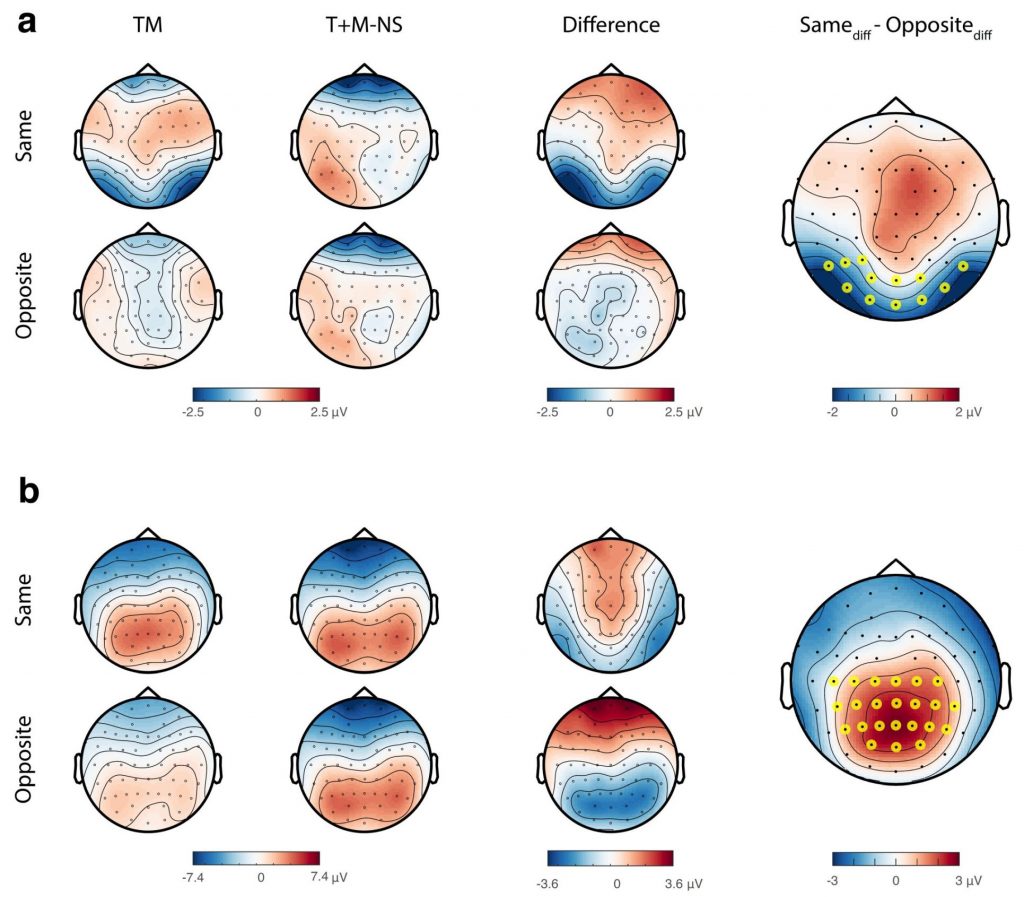
A contribution from EEG lab to the Special Issue: Structure and Function of the Visual System (https://www.springer.com/journal/429/updates/18231902). Our graduate researcher Alaz Aydın investigated a powerful illusion called “metacontrast masking”. Accordingly, the findings also shed light on the interactions within/across visual pathways. For further information, please visit: http://doi.org/10.1007/s00429-021-02260-5
Abstract
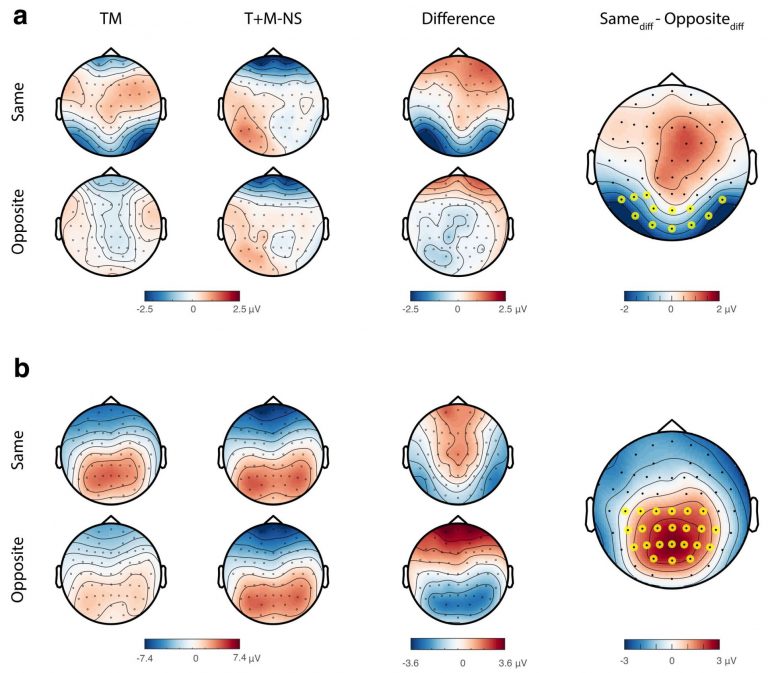
Metacontrast masking is a powerful illusion to investigate the dynamics of perceptual processing and to control conscious visual perception. However, the neural mechanisms underlying this fundamental investigative tool are still debated. In the present study, we examined metacontrast masking across different contrast polarities by employing a contour discrimination task combined with EEG (Electroencephalography). When the target and mask had the same contrast polarity, a typical U-shaped metacontrast function was observed. A change in mask polarity (i.e., opposite mask polarity) shifted this masking function to a monotonic increasing function such that the target visibility was strongly suppressed at stimulus onset asynchronies less than 50 ms. This transition in metacontrast function has been typically interpreted as an increase in intrachannel inhibition of the sustained activities functionally linked to object visibility and identity. Our EEG analyses revealed an early (160–300 ms) and a late (300–550 ms) spatiotemporal cluster associated with this effect of polarity. The early cluster was mainly over occipital and parieto-occipital scalp sites. On the other hand, the later modulations of the evoked activities were centered over parietal and centro-parietal sites. Since both of these clusters were beyond 160 ms, the EEG results point to late recurrent inhibitory mechanisms. Although the findings here do not directly preclude other proposed mechanisms for metacontrast, they highlight the involvement of recurrent intrachannel inhibition in metacontrast masking.
Analysis and mitigation of noise in simultaneous transmission and reception in MRI
Our PhD student Bilal Taşdelen et al. published an article titled ''Analysis and mitigation of noise in simultaneous transmission and reception in MRI''. Abstract Purpose In simultaneous transmission and reception (STAR) MRI,…
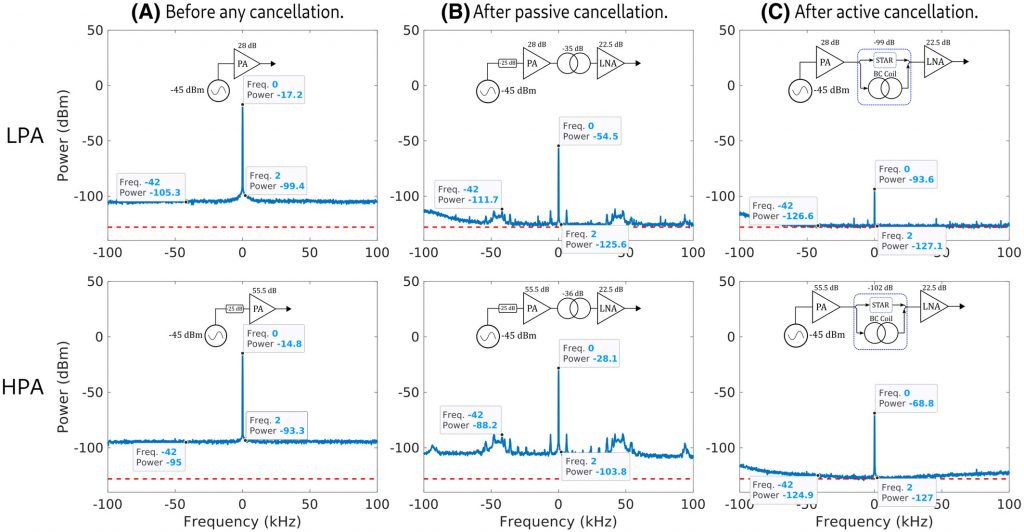
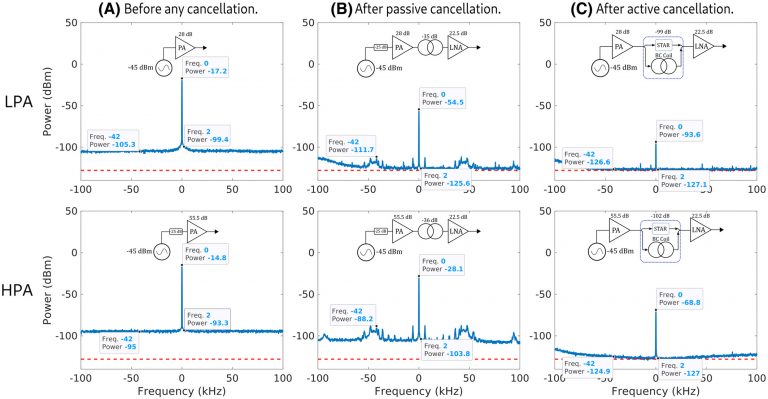
Our PhD student Bilal Taşdelen et al. published an article titled ”Analysis and mitigation of noise in simultaneous transmission and reception in MRI”.
For more; https://onlinelibrary.wiley.com/doi/full/10.1002/mrm.28782
Abstract
Purpose
In simultaneous transmission and reception (STAR) MRI, along with the coupling of the excitation pulse to the received signal, noise, and undesired distortions (spurs) coming from the transmit chain also leak into the acquired signal and degrade image quality. Here, properties of this coupled noise and its relationship with the transmit amplifier gain, transmit chain noise density, isolation performance, and imaging bandwidth are analyzed. It is demonstrated that by utilizing a recently proposed STAR technique, the transmit noise can be reduced. The importance of achieving high isolation and careful selection of the corresponding parameters are demonstrated.Theory and Methods
A cancellation algorithm, together with a vector modulator, is used for transmit‐receive isolation. The scanner is modeled as a pipeline of blocks to demonstrate the noise contribution from each block. With higher isolation, coupled transmit noise can be reduced to the point that the dominant noise source becomes acquisition noise, as in the case for pulsed MRI. Amplifiers with different gain and noise properties are used in the experiments to verify the derived noise‐transmit parameter relation.Results
With the proposed technique, more than 80 dB isolation in the analog domain is achieved. The leakage noise and the spurs coupled from the transmit chain, are reduced. It is shown that the transmit gain plays the most critical role in determining sufficient isolation, whereas the amplifier noise figure does not contribute as much.Conclusion
The transmit noise and the spurs in STAR imaging are analyzed and mitigated by using a vector modulator.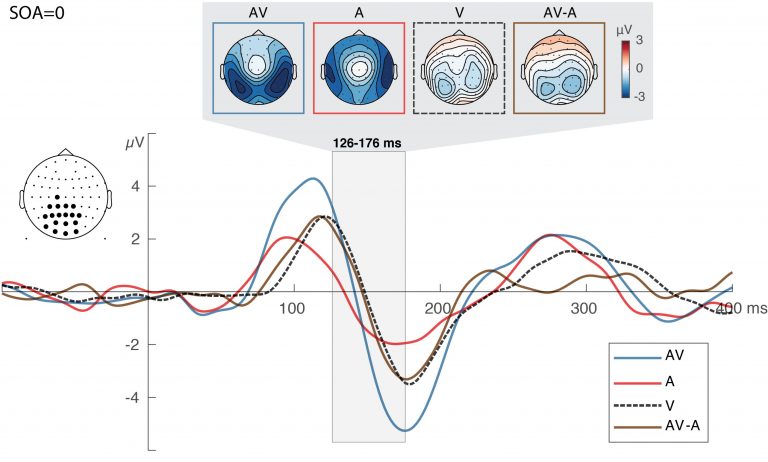
Audiovisual interactions in speeded discrimination of a visual event
Crossmodal interactions in the temporal domain are a crucial aspect of multisensory integration. Using onset timing (SOA) as a critical factor, Dr. Utku Kaya found audiovisual interactions in early ERPs correlated with…
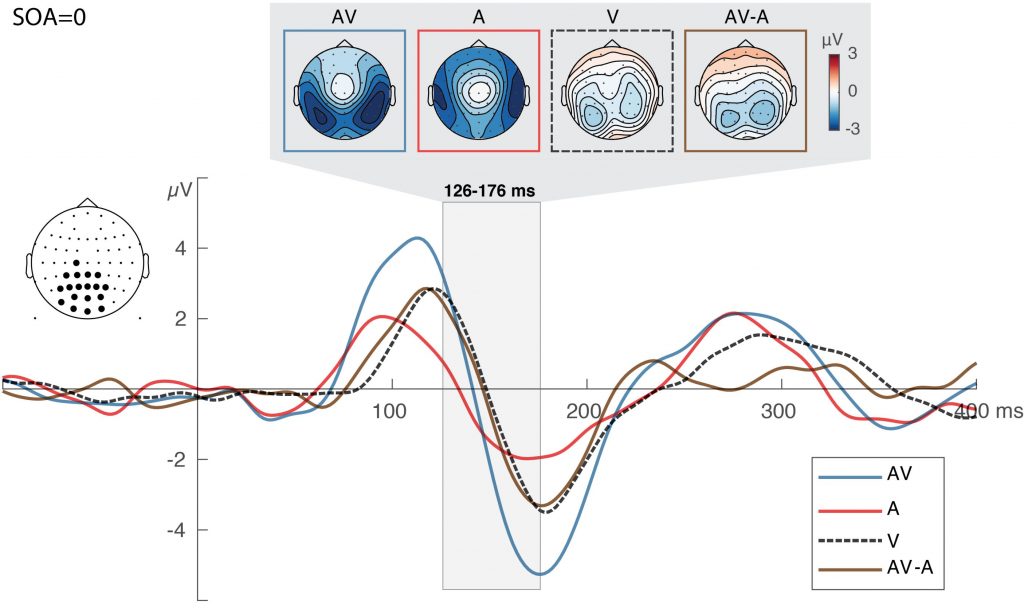
Crossmodal interactions in the temporal domain are a crucial aspect of multisensory integration. Using onset timing (SOA) as a critical factor, Dr. Utku Kaya found audiovisual interactions in early ERPs correlated with the changes in behavioral reaction times. These findings provide an important functional link between audiovisual interactions at early stages of sensory processing and perceptual performance. For further information, please visit: https://doi.org/10.1111/psyp.13777
Abstract
The integration of information from different senses is central to our perception of the external world. Audiovisual interactions have been particularly well studied in this context and various illusions have been developed to demonstrate strong influences of these interactions on the final percept. Using audiovisual paradigms, previous studies have shown that even task‐irrelevant information provided by a secondary modality can change the detection and discrimination of a primary target. These modulations have been found to be significantly dependent on the relative timing between auditory and visual stimuli. Although these interactions in time have been commonly reported, we have still limited understanding of the relationship between the modulations of event‐related potentials (ERPs) and final behavioral performance. Here, we aimed to shed light on this important issue by using a speeded discrimination paradigm combined with electroencephalogram (EEG). During the experimental sessions, the timing between an auditory click and a visual flash was varied over a wide range of stimulus onset asynchronies and observers were engaged in speeded discrimination of flash location. Behavioral reaction times were significantly changed by click timing. Furthermore, the modulations of evoked activities over medial parietal/parieto‐occipital electrodes were associated with this effect. These modulations were within the 126–176 ms time range and more importantly, they were also correlated with the changes in reaction times. These results provide an important functional link between audiovisual interactions at early stages of sensory processing and reaction times. Together with previous research, they further suggest that early crossmodal interactions play a critical role in perceptual performance.
The optomotor response of aging zebrafish reveals a complex relationship between visual motion characteristics and cholinergic system
Our graduate student Ayşenur Karaduman published a Research Article in Neurobiology of Aging. In this study, she comprehensively investigated motion detection during aging by using the Zebrafish model. The findings revealed a…

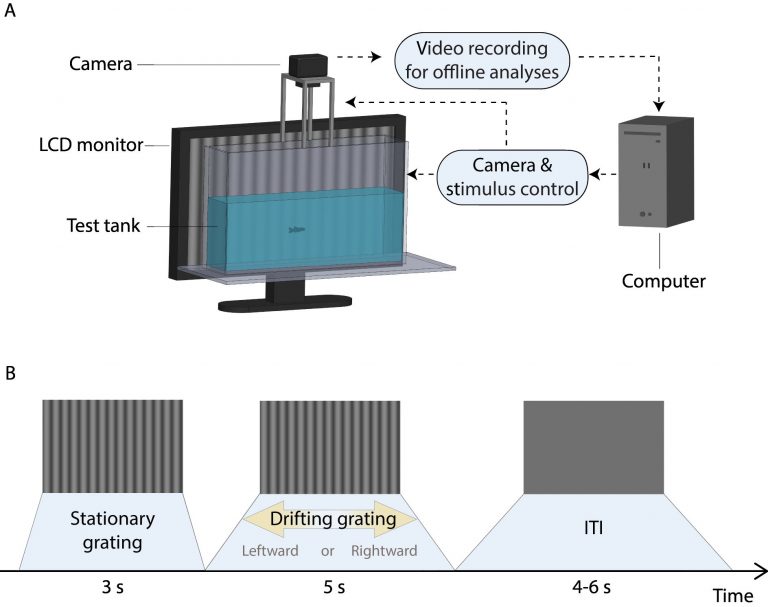
Our graduate student Ayşenur Karaduman published a Research Article in Neurobiology of Aging. In this study, she comprehensively investigated motion detection during aging by using the Zebrafish model. The findings revealed a complex relationship between visual motion properties and the cholinergic system during neural aging. For further information, please visit: https://doi.org/10.1016/j.neurobiolaging.2020.10.018
Abstract
Understanding the principles underlying age-related changes in motion perception is paramount for improving the quality of life and health of older adults. However, the mechanisms underlying age-related alterations in this aspect of vision, which is essential for survival in a dynamic world, still remain unclear. Using optomotor responses to drifting gratings, we investigated age-related changes in motion detection of adult zebrafish (wild-type/AB-strain and achesb55/+ mutants with decreased levels of acetylcholinesterase). Our results pointed out negative optomotor responses that significantly depend on the spatial frequency and contrast level of stimulation, providing supporting evidence for the visual motion-driven aspect of this behavior mainly exhibited by adult zebrafish. Although there were no significant main effects of age and genotype, we found a significant three-way interaction between contrast level, age, and genotype. In the contrast domain, the changes in optomotor responses and thus in the detection of motion direction were age- and genotype-specific. Accordingly, these behavioral findings suggest a strong but complicated relationship between visual motion characteristics and the cholinergic system during neural aging.

UMRAM can be your host!
TUBITAK has two programs that are designed for attracting young and/or leader investigators to Turkey. Please consider UMRAM as a possible host for your application. Please see the announcement by TUBITAK for the…

TUBITAK has two programs that are designed for attracting young and/or leader investigators to Turkey. Please consider UMRAM as a possible host for your application.
Please see the announcement by TUBITAK for the 2232A and 2232B programs.
https://tubitak.gov.tr/en/news/2232-a-international-fellowship-for-outstanding-researchers-and-2232-b-international-fellowship-for
Please contact ergin.atalar@bilkent.edu.tr for more information on the possible role of UMRAM, Bilkent University.
Summer Internship Announcement
Send your summer internship applications by e-mail to aydan@ee.bilkent.edu.tr with your CV and personal contact information. ***STUDENTS WHO ARE ACCEPTED FOR SUMMER INTERNSHIP ARE INFORMED BY E-MAIL.***
Send your summer internship applications by e-mail to aydan@ee.bilkent.edu.tr with your CV and personal contact information.
***STUDENTS WHO ARE ACCEPTED FOR SUMMER INTERNSHIP ARE INFORMED BY E-MAIL.***

Ehsan Kazemivalipour’s article is picked as March Highlight by MRM!
Ehsan Kazemivalipour et al. (https://onlinelibrary.wiley.com/doi/full/10.1002/mrm.28533) article titled ''Eigenmode analysis of the scattering matrix for the design of MRI transmit array coils'' is picked as #2 March Highlight by MRM Editor. Congratulations! If…
Ehsan Kazemivalipour et al. (https://onlinelibrary.wiley.com/doi/full/10.1002/mrm.28533) article titled ”Eigenmode analysis of the scattering matrix for the design of MRI transmit array coils” is picked as #2 March Highlight by MRM Editor. Congratulations!
If you want to see the twitter account of MRM, click: https://twitter.com/mrm_highlights
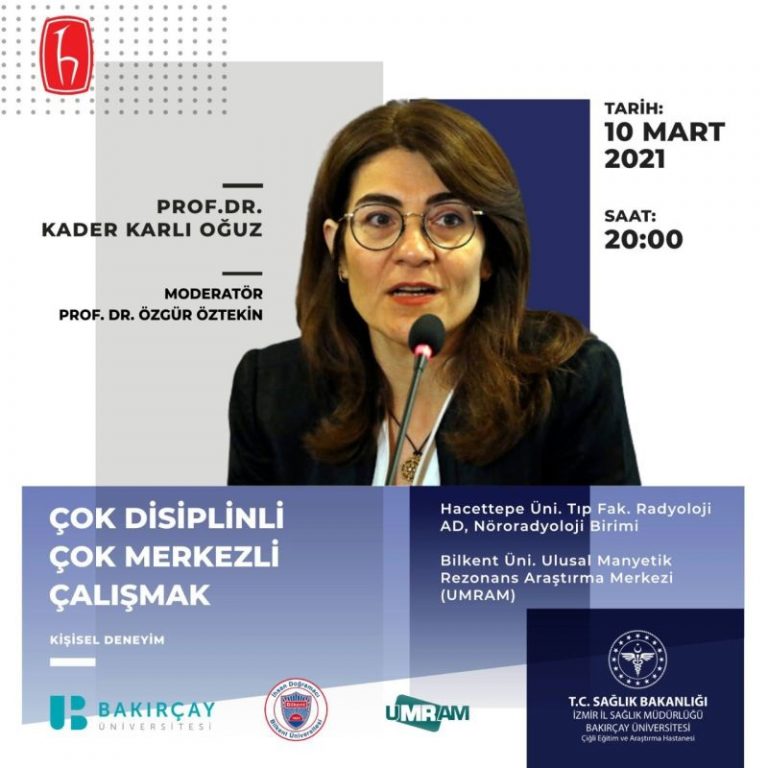
Seminar Announcement: ”Multidisciplinary Multi-Center Work – Personal Experience”
Date: March 10, 2021 at 08:00 PM Speaker: Prof. Dr. Kader Karlı Oğuz, Hacettepe University Faculty of Medicine, Department of Radiology. Prof Dr. Kader Karlı Oğuz, who is a faculty member of…

Date: March 10, 2021 at 08:00 PM
Speaker: Prof. Dr. Kader Karlı Oğuz, Hacettepe University Faculty of Medicine, Department of Radiology.
Prof Dr. Kader Karlı Oğuz, who is a faculty member of Hacettepe University Faculty of Medicine, Department of Radiology, in charge of the Neuroradiology unit and also a Professor at the National Magnetic Resonance Research Center, will share her personal experiences on multicenter and multidisciplinary studies.
Moderator: Prof. Dr. Özgür ÖZTEKİN, Bakırçay University Head of the Department of Radiology
Participation Link:
Join Zoom Meeting https://lnkd.in/d_QmEnE
Meeting ID: 921 2493 4556
Passcode: 321658